
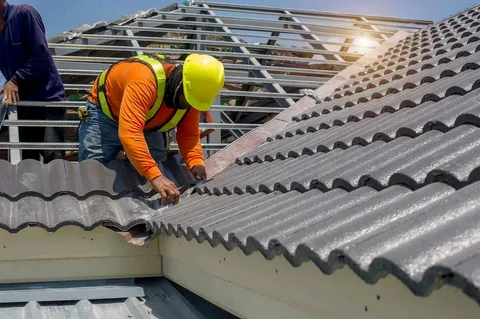
Your roof works around the clock to protect your home, your family, and everything inside. Because it’s out of sight, most homeowners don’t think about it until something goes wrong. Roof problems don’t appear overnight. Most start small and worsen over time. Catching them early can save you from major repairs and expenses.
Common Signs Your Roof Might Be Failing
Water stains on ceilings or walls usually indicate a leak caused by missing shingles, damaged flashing, or cracked underlayment. Missing or damaged shingles from wind, storms, or age can leave your roof vulnerable to water damage. Granules in gutters or on the ground are signs your shingles are wearing out, reducing protection. Sagging or uneven rooflines may point to structural issues like rotting wood or poor attic ventilation. Rising energy bills could signal failing insulation and poor airflow in the attic.
Repair or Replace? How to Decide
Not every roofing problem requires a full replacement. Minor damage can often be repaired. Repairs are usually enough when damage is limited to a small area, your roof is under 10–15 years old, shingles are cracked or missing but the rest is intact, or flashing and seals around vents or chimneys are loose. Replacement is recommended if your roof is 20+ years old, has had multiple repairs, water damage has reached the attic or walls, the structure is rotting or sagging, or you want long-term energy efficiency improvements. Always get a professional roof inspection before making a decision.
What Does Roof Repair or Replacement Cost?
Costs depend on roof size, slope, materials, damage level, location, and labor. Average prices in 2025 range from minor repairs at $300–$1,000, major repairs at $1,000–$3,000, full asphalt shingle replacement at $6,000–$12,000, and metal or tile roofs at $15,000–$30,000+. Early intervention can prevent higher costs later.
How Often Should You Inspect Your Roof?
Inspect your roof at least once a year and after major storms. Professional inspections take 30–60 minutes and can detect hidden issues. Check your attic every few months for moisture, mold, or daylight showing through roof boards. Regular inspections prevent small problems from becoming expensive repairs.
Don’t Wait for a Leak to Take Action
Waiting until water drips from your ceiling is like waiting for your car engine to fail before checking the oil. Roof problems worsen over time, increasing costs and damage. If you suspect any issue, schedule a professional inspection. Many roofing companies offer free evaluations to give peace of mind and identify issues early.
FAQs About Roofing in 2025
How long does a typical roof last? Asphalt shingles usually last 20–30 years, while metal and tile roofs can last 40–75 years with proper maintenance. Does insurance cover roof damage? Storms, hail, fire, or falling debris are usually covered, but age-related wear is not. How can I tell if my roof has a leak? Look for ceiling stains, peeling paint, mold smells, or damp attic insulation. Can I repair a roof myself? Small fixes like replacing a shingle may be DIY-friendly, but roofing is risky and requires safety gear and expertise. How much does a roof inspection cost? Many companies offer free inspections; certified detailed inspections may cost $150–$300 but can save thousands. What causes roofs to fail early? Poor installation, lack of maintenance, and extreme weather are common causes. What’s the best time of year to replace a roof? Spring through early fall is ideal for proper installation; emergencies can happen anytime.
Next Steps for Homeowners
If your roof shows any signs of damage or you’re unsure about its condition, schedule a professional inspection. A qualified roofing contractor can assess damage, recommend repairs or replacement, and guide you through the process to protect your home. Acting early helps you avoid costly repairs and ensures your home remains safe and energy-efficient.